Dry season, green season or migration calving time? We explain what each month in the Serengeti and Ngorongoro looks like.
Tanzania is a year-round safari destination, but each season offers something different. The right time depends on what you most want to see.
June to October: the dry season
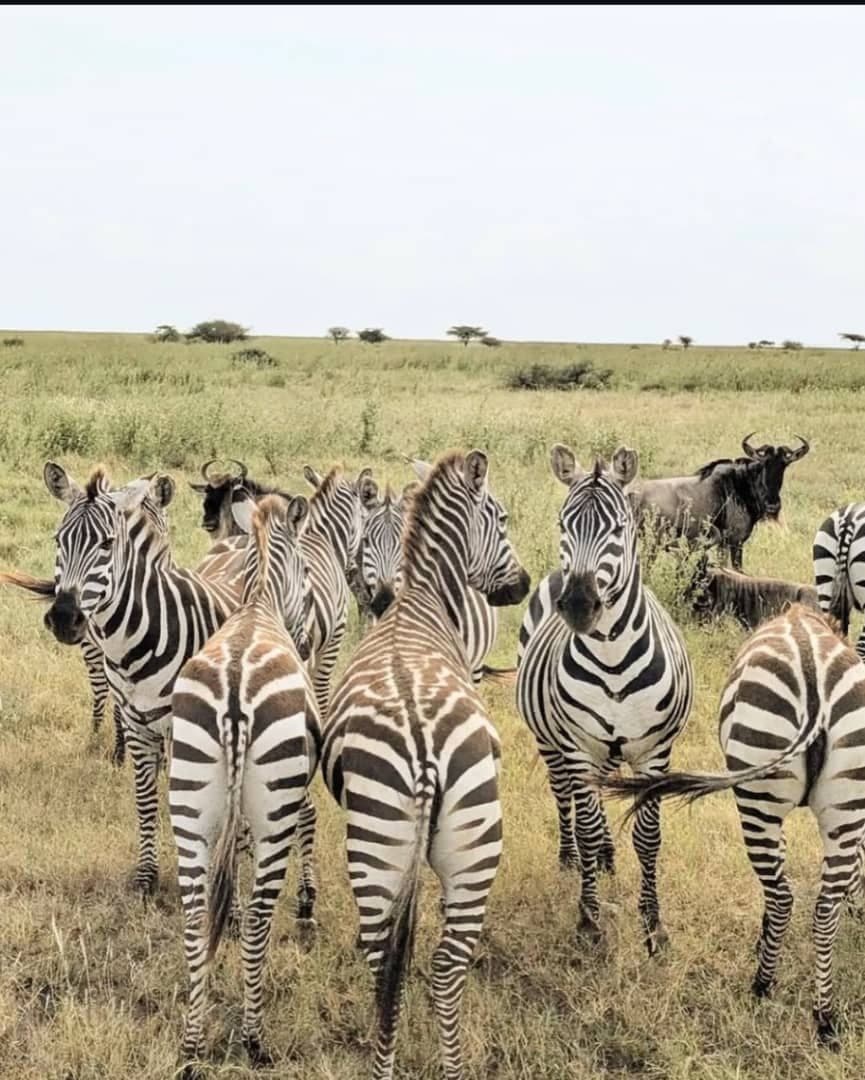
Grass is short and animals gather around rivers and waterholes, which makes wildlife easy to spot. This is also when the Great Migration crosses the Mara River in the northern Serengeti.
January to February: calving season
Hundreds of thousands of wildebeest give birth on the southern Serengeti plains, and predators follow closely. It is one of the most dramatic times to be on safari.
Our guides adjust each game drive to the latest sightings, so you spend less time searching and more time watching.
March to May: the green season
Afternoon rains turn the parks lush and green, lodges are quieter and prices are lower. Birdwatching is excellent and you will often have sightings to yourself.
Parks to combine
- Tarangire: large elephant herds and ancient baobabs
- Serengeti: big cats and the migration
- Ngorongoro Crater: the best chance to see black rhino
Tell us your travel dates and we will suggest the route that gives you the best wildlife for that time of year.