From training plans to packing lists, here is how our guides help first-time climbers get ready for the Roof of Africa.
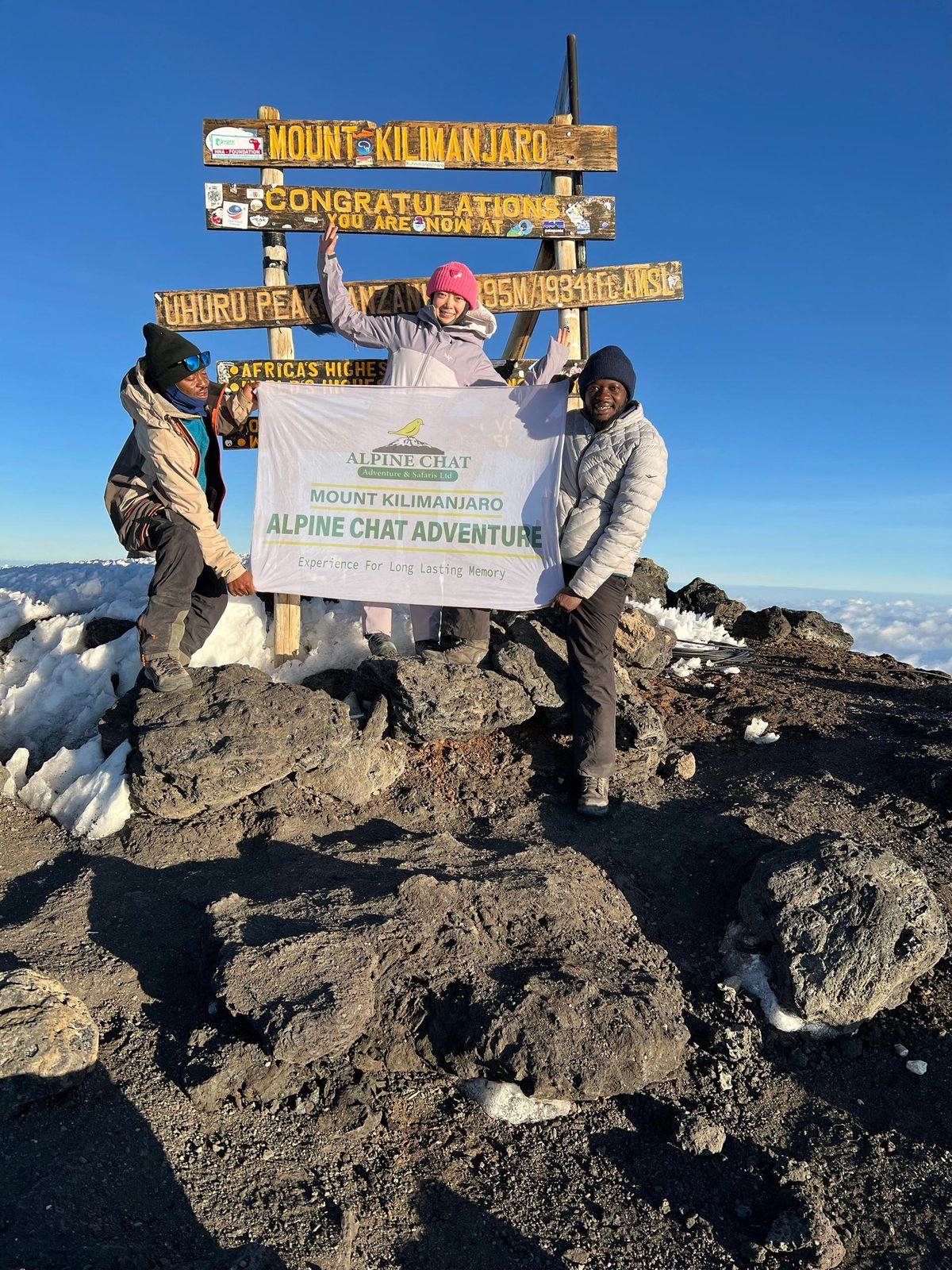
Standing at Uhuru Peak at sunrise is one of the most rewarding moments a traveller can experience. Most people who reach it are not elite athletes. They are ordinary hikers who prepared well, chose a sensible route and listened to their guides.
Start training eight to twelve weeks before
You don't need a gym membership. What matters most is time on your feet, carrying a light pack, on uneven ground.
- Long walks: build up to 5–6 hours once a week, ideally with hills.
- Stairs or step-ups: two or three short sessions a week strengthen your legs for steep sections.
- Break in your boots: wear them on every training walk so blisters happen at home, not on the mountain.
Choose a route with time to acclimatise
Altitude, not fitness, is the main reason climbers turn back. Routes with more days, such as the 7-day Lemosho or the 7-day Machame, give your body time to adjust and noticeably raise summit success.
Walk slowly, drink often, and tell your guide how you feel every evening. Pole pole — slowly, slowly — is the rule on Kilimanjaro.
Pack in layers
You will walk through five climate zones, from warm rainforest to freezing summit nights. A warm down jacket, thermal base layers, a good sleeping bag and a head torch matter more than expensive gadgets.
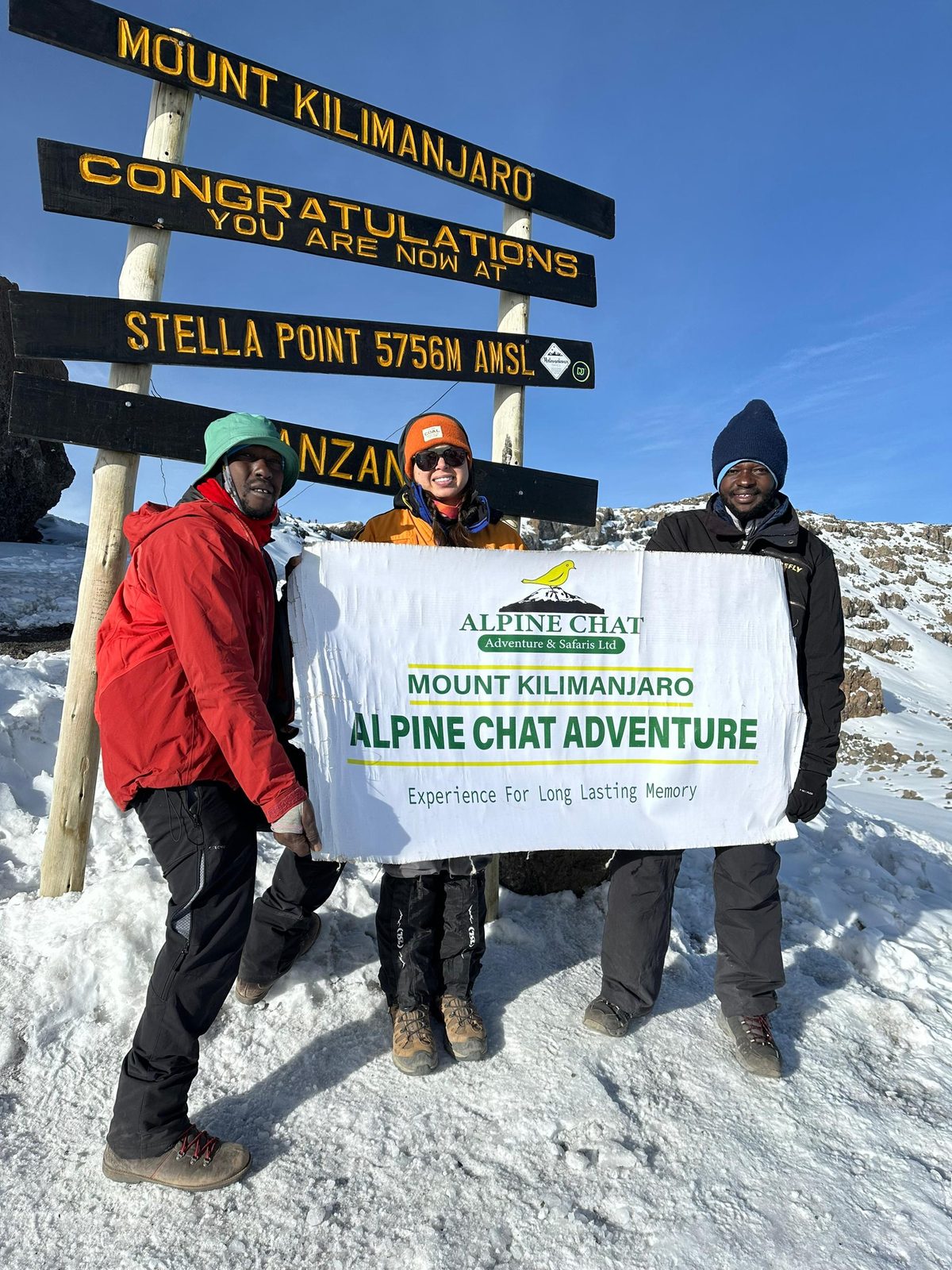
Our quick checklist
- Waterproof jacket and trousers
- Down jacket and warm gloves
- Broken-in hiking boots and wool socks
- Sunglasses, sun cream and a wide-brimmed hat
- Personal medication and blister plasters
Every climber receives a full packing list and a pre-climb briefing in Moshi, where our team checks your gear before you set off.